
University of Minnesota Residents Research Fund
Fund Purpose: To fund resident research in the Department of Neurosurgery at the University of Minnesota.
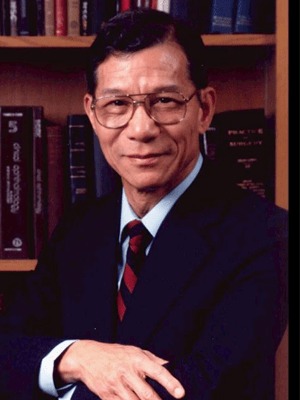
Shelley N. Chou, MD, PhD (1924-2001), was born February 6, 1924, in Kanpu, China. His early education was under private tutorship in Kanpu. He began his education at the age of four, learning Chinese literature and math and, at six, the English language. Later, he completed his high school education at Soochow Academy, an American Episcopalian Missionary Institution. Part of this period was during the Sino-Japanese War which began in 1937. His college and early medical education took place at St. John’s University in Shanghai during war time. Dr. Chou worked with the I&E Section of the United States Army in China (CBI Theatre of Operations) and after World War II (in 1948), transferred to the University of Utah Medical School where he received his M.D. degree in 1949.
Dr. Chou entered the residency program in Neurosurgery at the University of Minnesota under Drs. William Peyton and Lyle French from 1950-1955 and took a part-time teaching position at the University of Utah in association with Dr. Peter Lundstrom. He spent some time at the National Institutes of Health as a Visiting Scientist (Director, Maitland Baldwin) and returned to the University of Minnesota as a faculty member in 1960. In 1974, he succeeded Lyle French as Chair of the Department of Neurosurgery at the University of Minnesota until 1989. He retired in 1992 to Professor Emeritus.
During 1992, Dr. Chou went to Taiwan as a Visiting Professor for two months, returning to Minnesota in 1993. In June of 1993 he was asked to perform the duties of Deputy Vice President for Medical Affairs and Interim Dean of the Medical School.
Dr. Chou’s neurosurgical interest was in cerebrovascular diseases, particularly aneurysms and AVMs. In 1963, he reported the first case of angiographically confirmed successful middle cerebral artery embolectomy performed without the aid of an operating microscope. He was also an innovator in devising surgical treatment of spinal diseases. He performed the first transthoracic anterior spinal cord decompression and fusion in early 1960s. In 1973, he presented in Clinical Neurosurgery his experience in “alternative” (surgical) approaches to the thoracic spine.
His clinical interest also involve investigation and attempted surgical treatment of the paralyzed urinary bladder. In 1963, he implanted a radio-frequency triggered stimulator in humans, following successful trials in animals. This therapy in humans was not effective to date.
Dr. Chou and his resident Mohandas made a pioneer pathological study of brain death, published in 1971 in Neurosurgery, pointing out that when the brain stem was irreversibly damaged there was “no point of return.” This concept was amplified by the British Medical Association and became the United Kingdom’s code for brain death.
Dr. Chou was President of the Neurosurgical Society of America, the Society of Neurological Surgeons, and the American Academy of Neurological Surgery. He served as Vice-President of the American Association of Neurological Surgeons. He served a term on the American Board of Neurological Surgery and was Chair of the Oral Examination Committee. He served two terms on the RRC for Neurological Surgery and chaired the committee for two years. He has traveled extensively as a visiting professor in the United States, Asia, Australia, New Zealand, and Europe.
Dr. Chou and his wife Jolene were married in 1956, and had three children, Shelley, Jr., Dana, and Kerry.
Dr. Chou passed away on July 21, 2001.
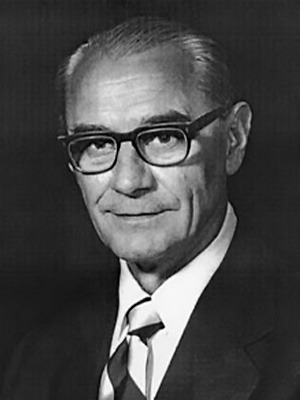
Lyle A.French, MD (1915-2004), was born on March 26, 1915 near Worthing, South Dakota. He received his premedical education at Macalester College in St. Paul and then attended the medical school at the University of Minnesota. After serving an internship at the University Hospitals, he began surgical training with Dr. Owen H. Wangensteen. When the division of Neurosurgery was created in 1940 under Dr. William T. Peyton, Dr. French became the first neurosurgical resident. He was in the military service from 1942 until 1946, serving in the 26th General Hospital in the Mediterranean Theater. Following military service, he completed his neurosurgical training. He obtained an M.S. degree and a PhD degree in Neurosurgery and was appointed to the staff in 1947. He was certified by the ABNS in 1948. In 1960, he assumed the Chairmanship of the Department of Neurosurgery, a position he held until 1972. From 1970 to 1983, he also served as Vice President of the University with responsibilities for the schools of the Health Sciences. He became Emeritus Professor in 1985.
His primary laboratory investigative interests were in cerebral edema; during his tenure the original studies were performed with the use of radioactive isotopes and the use of ultrasound for the localization of intracranial lesions. In the early 1960s, he initiated the use of steroids for the clinical control of cerebral edema. He also was involved early on with surgery to control epilepsy and for the care of patients with aneurysms and arteriovenous malformations.
His bibliography lists approximately 250 publications on various aspects of the neurological sciences. Many of his trainees became heads of departments in the United States and in the Far East.
Dr. French served on various advisory boards of the National Institutes of Health, the Veterans’ Administration, the National Paraplegia Foundation, and the National Advisory Commission on Multiple Sclerosis. He served on the editorial boards of the Year Book of Cancer, Modern Medicine, and the Journal of Neurosurgery (senior editor 1973-1975). He was a member of the board of directors of the ABNS from 1962 until 1968.
He was a member of numerous professional societies. He was President of the Minnesota Academy of Medicine (1964-1965), the Minneapolis Academy of Medicine (1966-1967), the Minnesota Society of Neurological Science (1964-1965), the Minnesota Society of Neurology and Psychiatry (1963-1964), the NSA (1957-1958), the AAcNS (1972-1973), the AANS (1973-1974). He has been a member of the ACS (Board of Governors), the American Surgical Association, Society of University Surgeons, the American Academy of Neurology, the American Neurological Association, the SNS and the Neurosurgical Travel Club.
French received a number of awards including the Neurosurgeons Award from the AAcNS, the Distinguished Service Award of the Society of Neurological Surgeons, the Harvey Cushing Award of the AANS, the Distinguished Services Award of the American Academy of Family Practice, the Outstanding Physicians Award of the Minnesota Academy of Family Practice, the Shotwell Award of the Minneapolis Metropolitan Medical Center and the Charles Bolles-Bolles Rogers Award of the Hennepin County Medical Society. He was the Honored Guest of the Congress of Neurological Surgeons in 1976.
Dr. French married Gene Francis Richmond in 1941. They had three children, Frederick, Eldridge and Barbara, and five grandchildren.
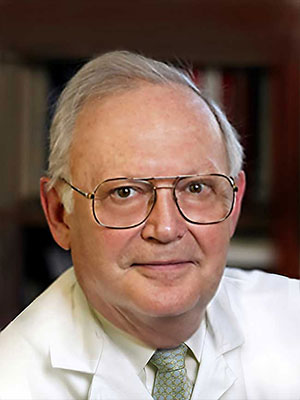
Donlin M. Long, MD, PhD, FAANS(L)was born in Rolla, Missouri in 1934, and his early years were divided between family farms in the Ozarks and their home in Jefferson City. In 1952, he entered the University of Missouri, and earned his MD in 1959. He served a surgical internship at the University of Minnesota (1959-1960), undecided between neurosurgery, neurology, and psychiatry as a career. There, a brief exposure to Dr. Lyle French convinced him to enter neurological surgery. He was accepted for a Residency at Minnesota in 1960. He started in the Anatomy Department under Dr. J. Francis Hartman, pioneer electron microscopist. This association culminated with a PhD in Neuroanatomy (1964). He was a resident in Neurosurgery at Minnesota (1960-64), and in 1965, was fortunate to secure a Chief Residency with Dr. Donald Matson at Children’s Hospital in Boston.
On completion of his residency, he went to the National Institute of Health as a Clinical Associate in the Branch of Surgical Neurology, where he entered the laboratories of experimental neuropathology, under the direction of Dr. Igor Klatzo (1965-1967). In 1967, he returned to the University of Minnesota as a junior faculty member, remaining until 1973, when he accepted the position of Chair of Neurosurgery at Johns Hopkins and became Neurosurgeon-in-Chief of the Johns Hopkins Hospital.
Dr. Long considers his most important scientific contributions to be in the area of brain edema. His original work was most important in establishing the ultra structural features of brain edema and the discovery of the open vascular junctions in human brain tumors which are responsible for the absence of the blood brain barrier. His important clinical contributions include the clinical studies which introduced gluco-steroid therapy for brain edema in association with French and Galicich and in the field of pain, where he introduced transcutaneous electrical stimulation in the medical practice and pioneered in the study of spinal stimulation for pain control.
Dr. Long founded the department of Neurosurgery at Johns Hopkins, founded the Department of Clinical Neurosciences through partnership with Neurology and planned the Adolf Meyer Clinical Sciences Center, which combines Psychiatry, Neurology and Neurosurgery. His experience with acoustic tumors was one of the largest in the world and his studies of the failed back syndrome provided significant insights into the reasons for surgical failure in the treatment of spinal diseases. Dr. Long retired as Chair in 2000 after nearly 28 years in that position. However, he continued his research interests and clinical practice.
Dr. Long retired from Johns Hopkins in 2010 and was named Distinguished Service Professor of Neurosurgery Emeritus. He also retired from his position on the staff of the Johns Hopkins Applied Laboratory. He maintained a part-time office only practice emphasizing spinal pain, and served as an industry consultant for products related to spinal pain until 2016.
From 2016 on, he focused his part-time practice on two clinical research projects, spinal and neurological issues in Ehlers-Danlos Syndrome, and clinical evaluation of patients with symptomatic Tarlov Cysts. In 2018, Dr. Long was named recipient of the Dandy Society Distinguished Achievement Award, and in 2019, he received the Who’s Who Lifetime Achievement Award.
Dr. Long passed away in September 2023, and is survived by his wife, Harriett Page Long (nee Kallenbach), whom he married in 1959, their children Kimberley Page Riley (Lee Hunter Riley III), Elisabeth Merchant Long, and David Bradford Long (Elizabeth Selvin); grandchildren Lauren Palmer Riley, Thomas Hunter Riley, Benjamin Logan Selvin Long and Eli Duncan Selvin Long.
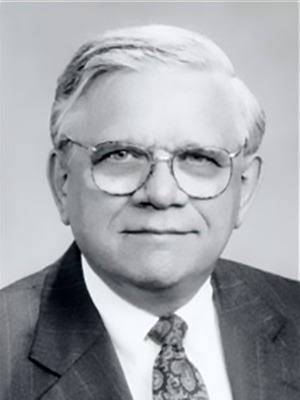
Edward L. Seljeskog, MD, PhD, FAANS(L) was born on August 24, 1934 in Minneapolis, Minnesota, son of a physician-biochemist. He attended the University of Minnesota, where he majored in chemistry, receiving both the BA and BS degrees, followed by medical school at Minnesota (MD, 1959). He remained at Minnesota and while training as a general surgeon, he spent several months with William T. Peyton. His formal training in neurosurgery followed, under the tutelage of Lyle A. French. As a resident, he developed a close liaison with the Department of Anatomy and was awarded a PhD in Anatomy and Neurosurgery in 1971.
Upon completion of his formal neurosurgical training, he accepted a fellowship position in Oslo in the Department of Dr. Kristian Kristiansen. He returned to join the staff at Minnesota, where he established the first Neurosurgery Department at the Minneapolis General Hospital (now Hennepin County Medical Center). This undertaking flourished and continues to be a major component of the Minnesota Residency Program. In 1971, he returned full-time to the University Hospital where he developed an active clinical practice focusing on a number of areas.
He has spoken and written extensively on spinal trauma, particularly of the cervical region. Other clinical and research interests have included pituitary neoplasms, carotid-cavernous fistula and pediatric neurological surgery. In 1977, he was promoted to Professor and vice-chairman of the Department of Neurosurgery. He practiced in those capacities until 1993, when he “headed west” and entered private practice in Rapid City, South Dakota, with the intent of gradually retiring. His bibliography lists 54 papers and 21 book chapters.
In addition to his past active role in undergraduate neuroscience education and the neurosurgical residency at Minnesota, he involved himself nationally with graduate neurosurgical education, serving on the Neurosurgery Residency Review Committee and as a Director, and then Secretary of the ABNS where he continued to be called upon as a guest examiner.
He was active in a number of medical and neurosurgical organizations, including: The Minnesota Neurosurgical Society (founding President), American Medical Association (EMS Commission), ACS (Neurosurgery Advisory Council, Governor and Regent), CNS, SNS, and the AAcNS. Within the AANS, he served as a former Director, Secretary and President. He was a Captain in the U.S. Naval Reserve and served during Desert Storm.
In addition to his clinical practice, Dr. Seljeskog was involved with many organizational commitments. He maintained his ties to the University of Minnesota as Professor Emeritus, and along with his wife, Peg, was actively involved on boards of non-profit organizations in Rapid City and with philanthropic activities.
Dr. Seljeskog passed away in March 2022, and is survived by his wife, Peg, their five children: Steven, Eric, Vanessa, Sarah, and Christopher and five grandchildren.
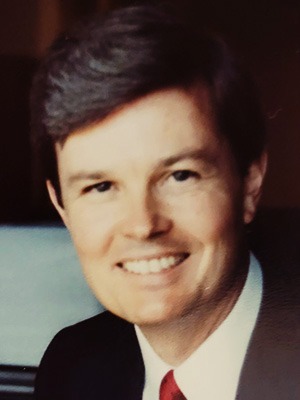
Robert Eugene Maxwell, MD, PhD, FAANS(L), was born in Lima, Ohio, on June 24, 1936, the son of James Daniel and Ida Cox Maxwell. He received his undergraduate and medical school education at the Ohio State University in Columbus, Ohio, and was awarded a bachelor’s degree in 1958 and an MD degree cum laude in 1962. In 1957, he was elected to the premedical honorary society, Alpha Epsilon Delta, in 1960 he received the Nu Sigma Nu Outstanding Medical Student Award, and in 1961 he was elected to Alpha Omega Alpha. During medical school, he had the opportunity to work in the laboratory of Dr. Robert Zollinger and first learned operative techniques while constructing Heidenhain pouches for the study of gastric secretion and peptic ulcer disease.
He then interned and had his general surgery residency training with Dr. Alfred Blalock at the Johns Hopkins Hospital in Baltimore, Maryland. Dr. Maxwell’s first publication was a report on the results of the Blalock-Hanlon operation in 90 of Dr. Blalock’s patients with transposition of the great vessels. Upon completion of his general surgery training, Dr. Maxwell entered into military service and served two years as a Captain in the U.S. Army medical Corp. This experience stimulated his interest in surgery of the nervous system, and inspired him to pursue a career in neurosurgery.
He joined the training program at the University of Minnesota under Dr. Lyle French and an outstanding young faculty including Shelley Chou, Jim Story, and Don Long. Dr. Maxwell took graduate level courses in the neurosciences and taught gross anatomy and neuroanatomy to freshman medical students. As graduate student, he followed up on the pioneering works of the faculty on the use of steroids in brain edema and investigated the histological, ultrastructural, and biochemical effects of glucorticoids on experimental models of vasogenic and cytotoxic brain edema. He received the Degree of Doctor of Philosophy in 1974. That same year, he was certified by the ABNS and became a fellow in the ACS.
Dr. Maxwell joined the faculty of the University of Minnesota in 1971 and shortly thereafter was named Chairman of the Section of Neurosurgery at the Minneapolis Veterans Administration Hospital. He served as a Professor of Neurosurgery at the University of Minnesota and beginning in 1995, as Head of the Department of Neurosurgery, Chief of the Clinical Service and Residency Program Director. He also served as Chief of the Medical Staff at the University Hospital and Clinic from 1989-1994 and was a member of the University of Minnesota Health Systems Board of Governors and the University of Minnesota Physicians Board of Governors. His 95 publications reflected his research and clinical interests in cerebral edema, epilepsy, movement disorders, and pain. He served as president of the Society of University Neurosurgeons and President of the Minnesota Neurosurgical Society. In 1993, he received the Distinguished Alumnus Award of The Ohio State University.
Dr. Maxwell passed away in July 2022. In his life and career, he was particularly grateful for the loving support of his parents, wife Karen, and four children: David, Laura, James, and Carter.
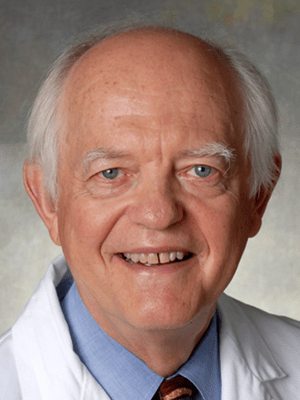
Gaylan L. Rockswold, MD, PhD, FAANS(L), was born in Valley City, North Dakota, the oldest of four brothers. His early years were spent in rural northwestern Minnesota and North Dakota.
A loyal Minnesotan, he obtained the entirety of his formal education and medical training within the state of Minnesota. He attended St. Olaf College in Northfield, MN and graduated in 1962. This formative time in his life inspired a life-long commitment to the college.
Dr. Rockswold received his medical degree from the University of Minnesota in 1966. During his second year of medical school he met his future wife Mary, also a St. Olaf college graduate. He completed an internship at Hennepin Healthcare in 1967 and concluded his Neurosurgical training at the University of Minnesota, graduating from the residency program in 1974.
At the completion of his training, he remained within the Twin Cities working simultaneously in private practice (Neurosurgical Associates) and at Hennepin County Medical Center. He developed an impressive career caring for patients, training residents and students, developing and leading a highly impactful research program focused on Traumatic Brain Injury, and serving as a leader at multiple levels.
Dr. Rockswold served as Chief of Neurosurgery for Hennepin County Medical Center from 1976-2011. He also founded and served as medical director of the Traumatic Brain Injury (TBI) Center from 2006-2015. He has made countless contributions to the fields of neurosurgery and traumatic brain injury that have significantly improved the lives of patients.
Dr. Rockswold’s vision for creating the TBI Center was to continue to grow and establish excellence in every aspect of caring for patients suffering from traumatic brain injuries. The TBI Center also validates his belief that quality care for TBI patients involves a multidisciplinary team, each adding their valued proficiency to aid in a patient’s recovery. His legacy lives on in Hennepin Healthcare’s TBI Center today. Among many awards and acknowledgements, he is the recipient of the 2022 Sheldon Berrol, MD, Clinical Service Award from the Brain Injury Association of America (BIAA). The award recognizes a clinician who, through a long service career, has made outstanding contributions to improving the quality of care, professional training, and education in the field of brain injury.
In 2014, Dr. Rockswold helped develop the “Rockswold-Kaplan Endowed Chair for Traumatic Brain Injury” to advance research and innovations at the Hennepin Healthcare TBI Center. This endowed chair was funded by the generosity of Elliot and Eloise Kaplan in gratitude for the care Eloise received and by Dr. Rockswold. The purpose of this endowed chair is to attract the brightest minds and advance the treatments of those suffering from traumatic brain and spinal cord injuries.
As a professor of Neurosurgery at the University of Minnesota, he taught hundreds of medical students and participated in the training of 70 neurosurgical residents who have taken their knowledge and experience gained from his mentorship, to practice all over the world.
Dr. Rockswold continues his impressive and impactful research in the field of Traumatic Brain Injury as the Principal Investigator for the NIH funded Hyperbaric Oxygen Brain Injury Treatment Trial (HOBIT, NCT02407028). Dr. Rockswold and his wife have also help inspire future generations of healthcare providers by establishing the St. Olaf Rockswold Scholars. This prestigious summer internship, which he still guides, gives undergraduate students exposure to many aspects of healthcare and related research.
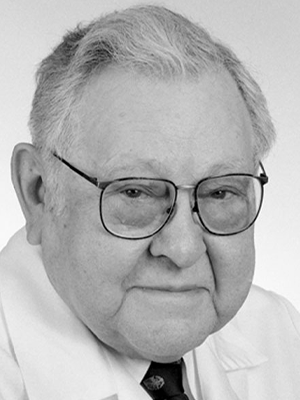
Hugo V. Rizzoli, MD, FAANS(L) was born in Newark, New Jersey on August 20, 1916. He received his A.B. degree from Johns Hopkins University in 1936, and his M.D. degree from Johns Hopkins University in 1940. He interned in Medicine 1940-41 and then entered the Surgery program at the Johns Hopkins Hospital and he became a Harvey Cushing Fellow (1942-43) and then served as a Neurosurgical Resident on Dr. Walter Dandys service. Upon completion of his residency in October 1944, he entered the United States Medical Corps and served as a Neurosurgeon, first at Halloran General Hospital on Staten Island, after which he was transferred to the Walter Reed General Hospital in October 1945. During his last year at Walter Reed he was Chief of the Neurosurgical Section. He was discharged in November 1946 with the rank of Major.
He immediately entered the private practice of Neurological Surgery and became Chief of Neurosurgery at Emergency Hospital and joined the Faculty and Voluntary Staff of Neurological Surgery at the George Washington University Hospital. He continued at Walter Reed as a Consultant and served in this capacity at the Mt. Alto Veterans Hospital in Washington D.C. He served as a Consultant at the Bethesda Naval Hospital, Malcolm Grow Air Force Hospital, Andrews Air Force Hospital, and the National Institutes of Health. Emergency Hospital and two other hospitals amalgamated and built the Washington Hospital Center which opened in 1958 where he was the first Chief of the Department of Neurological Surgery, a member of the Board of Trustees and its Executive Committee (1962-71).
He became the first full time Professor and Chairman of the Department of Neurological Surgery at the George Washington University Medical Center (1969-87). He was then appointed Professor Emeritus in Residence where he continues to teach and consult on a part-time basis. He co-authored three books on post operative complications in neurosurgical practice.
His society memberships include: The American Association of Neurological Surgeons (Vice President 1982, member of the Board of Directors and its Executive Committee 1981-83 and Chairman of the Graduate Education Subcommittee on Recertification of the Joint Committee on Education 1975-89); American Academy of Neurological Surgery (Vice President 1983); the Society of Neurological Surgeons; the Neurosurgical Society of America (Vice President 1976); the American College of Surgeons; AMA; Clinical Pathological Society and the Congress of Neurological Surgeons. He has also been a member of the American Board of Neurological Surgeons (Vice Chairman 1974-76).
In May 1979 he received the War Departments Commanders Award for Civilian Service presented at the Walter Reed Army Hospital. His other awards include Honorific Award of the Status of Cavaliere by the Italian Government (1983); Meritorious Service Award, Medical Society of the District of Columbia (1985); AANS Humanitarian Award (1989); Honored Guest, Congress of Neurological Surgeons (1984). On October 17, 1998, The Hugo V. Rizzoli Chair of Neurological Surgery was established at the George Washington University. The first annual Hugo V. Rizzoli lecture, established by the Walter Reed Department of Neurosurgery, was delivered at the Uniformed Services University of the Health Sciences by Dr. Ludwig G. Kempe on November 16, 2000.
A more important award is marriage to his wife Helen and their four children, Hugo Jr., Paul, Pia and Robert.
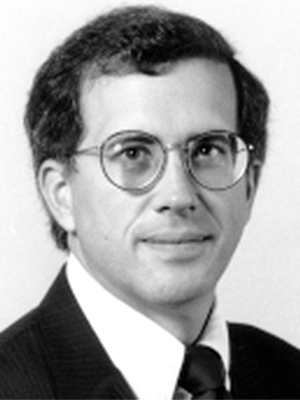
Stephen J. Haines, MD, FAANS(L), a native of Burlington, Vermont, studied mathematics and social sciences at Dartmouth College, earning his bachelor’s degree (magna cum laude) in 1971. He received his medical degree from the University of Vermont College of Medicine in 1975, and after a year’s internship in surgery at the University of Minnesota, he completed his neurological surgery residency at the University of Pittsburgh in 1981. In that year, the American College of Neurological Surgeons awarded him the William P. Van Wagenen Fellowship, a prize that resulted in a term of study at Oxford University under the tutelage of Dr. Charles Warlow.
Dr. Haines joined the faculty at the University of Minnesota in 1982 as Assistant Professor of Neurosurgery, then moved up to the rank of full Professor in 1993. He was also appointed to professorships in the Otolaryngology and Pediatrics Departments. In 1997 he assumed the position of Professor and Chairman of the Department of Neurological Surgery at the Medical University of South Carolina in Charleston where he was also a founding director of the MUSC Neuroscience Institute. After seven successful years he returned to the University of Minnesota serving as the Lyle A. French Professor and Head of the Department of Neurosurgery until August of 2017. He retired from the University of Minnesota and the practice of neurosurgery in December 2019.
Dr. Haines’ primary clinical interests were in pediatric neurosurgery and surgery of the skull base and posterior fossa. He participated in several multidisciplinary programs involving pediatric brain tumors, myelodysplasia (both adult and pediatric), craniofacial disorders and skull base surgery. He headed the UMN Division of Pediatric Neurosurgery for more than 12 years, and managed his departments participation in the University’s highly respected Craniofacial and Skull Base Surgery Center. In 2008 he was elected to honorary membership in the American Society of Pediatric Neurosurgery.
His major research interest focused on the development of resources for the evidence-based practice of neurosurgery, including application of epidemiological and statistical methods to neurosurgical outcomes studies. He has published and lectured extensively on the subject.
He also pursues active clinical research and teaching interests in areas such as spinal endoscopy and percutaneous discectomy. He served as principal investigator of a multi-center clinical trial grant from the National Institutes of Health comparing percutaneous discectomy to conventional discectomy techniques.
Dr. Haines bibliography includes more than 300 peer-reviewed articles, books, chapters, reviews, abstracts and invited presentation on topics ranging from pediatric and skull base surgical techniques to infections and antibiotic prophylaxis in neurosurgery. He has served as course instructor on a wide range of continuing medical education topics relating to neurosurgical techniques and the application of outcomes analysis.
In addition to his academic and clinical pursuits, Dr. Haines has been very active in national organized neurosurgery. He served as President of the Neurosurgical Society of America in 2014 and the Congress of Neurological Surgeons in 1996, and served on that group’s executive committee from 1991 to 1998. He also served as the neurosurgical representative to the American College of Surgeons Young Surgeons Committee and was the committee chairman for two years. He was a member of the Food and Drug Administration’s Neurological Devices Advisory Panel for four years, as its chairman for one. He was President of the Neurosurgical Society of America in 2014. In 2019, he was awarded the Neurosurgical Society of America Medal.
Dr. Haines is married to Jennifer Plombon, and he has two grown children, Christopher and Jeremy, and four grandchildren.
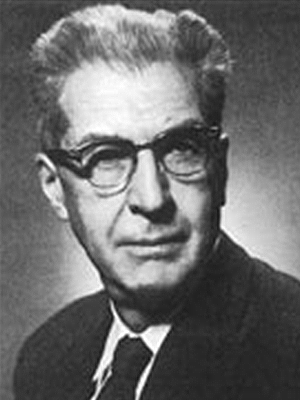
William Thomas Peyton, MD (1892-1962), was born in Traverse County, Minnesota, on January 11, 1892. He attended St. John’s College in Collegeville, Minnesota, from 1911 to 1914, and the University of Minnesota from 1914 to 1918. He interned at Minneapolis General Hospital from July 1, 1918 to June 30, 1919, and, from 1922 to 1926, served fellowships first in anatomy and then in surgery at the University of Minnesota. After a year at the Mayo Clinic as a fellow in surgery and neurology, he returned to the University of Minnesota in 1928, for a year as a fellow in surgery. During this time he was granted the degrees of MS, MD and two PhD’s, one in anatomy and the other in surgery.
Dr. Peyton joined the staff at the University of Minnesota in 1929 as an instructor. He served as a general surgeon and became the most respected general surgeon on the staff. He was loved by all of his patients and he was deeply respected by the students and his colleagues throughout the state.
Dr. Peyton was always interested in methods of pain relief and did many investigative studies on the effects of sectioning of the spinothalamic tracts and the descending root of the trigeminal nerve. He also began studies on the relationship of the pituitary gland and cancer (mainly breast and testicular cancer). He carried on these studies during the 1930s and early 1940s. More and more his practice included patients with problems involving the head and neck and it was this that gradually led him into the field of neurological surgery.
In 1937 the decision was made to form a Division of Neurological Surgery under the aegis of the Department of Surgery and Dr. Peyton was appointed the head of that division.
In 1939 he was certified as a member, without examination, of the American Board of Neurological Surgery. In 1940 he initiated a training program in neurological surgery. It was during his tenure as the head of that division that the use of fluorescein for distinguishing neoplastic from normal brain tissue was initiated. It was his suggestion that lead to the use of an isotope (diiodofluorescein) for the external localization of intracranial neoplasms. He was always very supportive of his trainees spending considerable time in the research laboratory. He was a skilled and helpful critic to those of his trainees who published their investigative reports. His trainees always held him in very high regard and near the termination of his tenure as head of the division, the William T. Peyton Foundation was established to honor him.
His writings were extensive, covering a wide range of neurological subjects. Three of his major interests were cerebral vascular malformations, spinal and brain tumors, and operations for pain.
Dr. Peyton was a member of the Hennepin County Medical Society, the Western Surgical Association, Minnesota Surgical Society, Minneapolis Surgical Society, St. Paul Surgical Society (Honorary member), Minnesota Society of Neurology and Psychiatry, American Academy of Neurology, Harvey Cushing Society, Society of Neurological Surgeons, and the American Medical Association. He was also a member of Alpha Omega Alpha. He was a member of the American Board of Neurological Surgery from 1958 until 1962.
Dr. Peyton and his wife Clara had four children.
To view a list of all donors to this fund, click here.
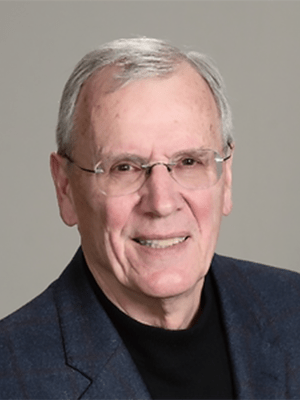
To support neurosurgery resident and fellow education in Africa.

To support the maintenance and future development of The Rhoton Collection® .....

To provide grants to international medical students and trainees seeking research, training and educational opportunities in neurosurgery in the U.S.
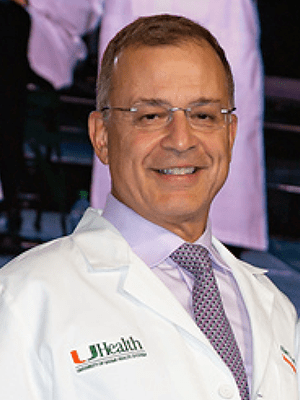
To provide tuition support for Neurosurgery Chief Residents to take the Goodman Oral Boards Course